Purpose
the purpose to be learned from this project is to show its diversity of ocean life and its role in keeping our planet healthy. also, it should be known the threats sea creatures face and why protecting them matters.
Background info
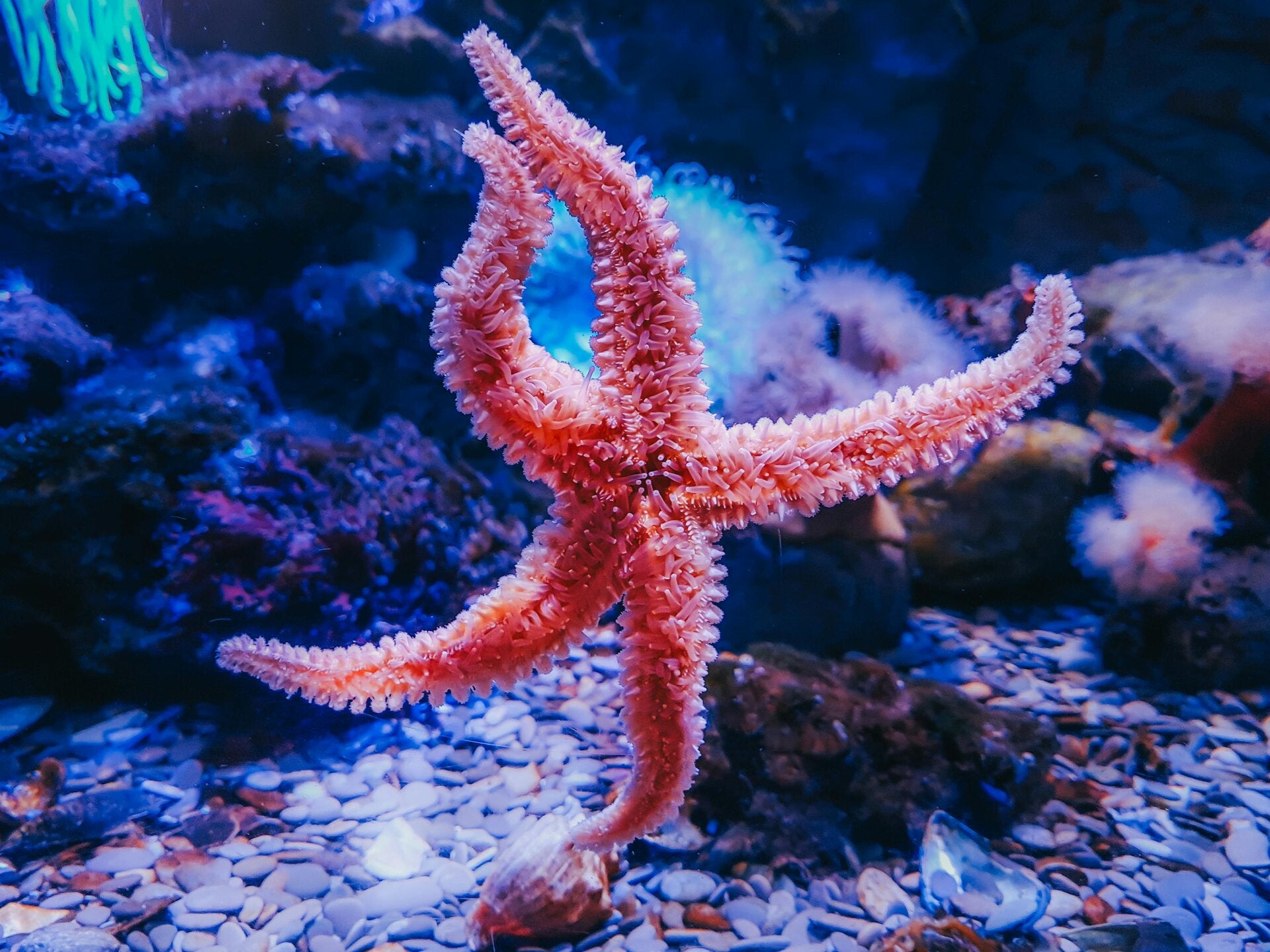
scientists estimate over 80% of the ocean remains unexplored, meaning countless species are still hidden beneath the waves.In 1977 these scientists had discovered hydrothermal vent ecosystems deep in the pacific ocean . these vents hosted unique life forms, including life forms, including giant tube worms, thriving without sunlight. Van dover, C.L (2000). The Ecology of deep-sea hydrothermal vents. Princeton Universty Press. This discovery revolutionized our understanding of life, showing that ecosystems can exist without sunlight and changing how scientists search for life on earth and other planets
Questions
Why is exploring ocean sea life important for discovering new species and understanding marine ecosystems.
what inventions has been created to help look for biodiversity?
Hypothesis
Exploring and making new inventions for sea life will help scientists find new species and understand sea life better.
Independent variable
Amount of ocean exploration
Dependent Variable
Discovery of new species and understanding of ecosystems
Controlled variable
marine biodiversity, new inventions, deep sea
Materials
- laptop
- research sources/scientific articles
- images of sea life
Method
- Choose the of ocean life and why it’s important
- gather reliable scientific sources about ocean-sea life
- gather notes on how scientists have created new things to search for new species in the ocean and what they have discovered
- gather data
Data-category statistic source


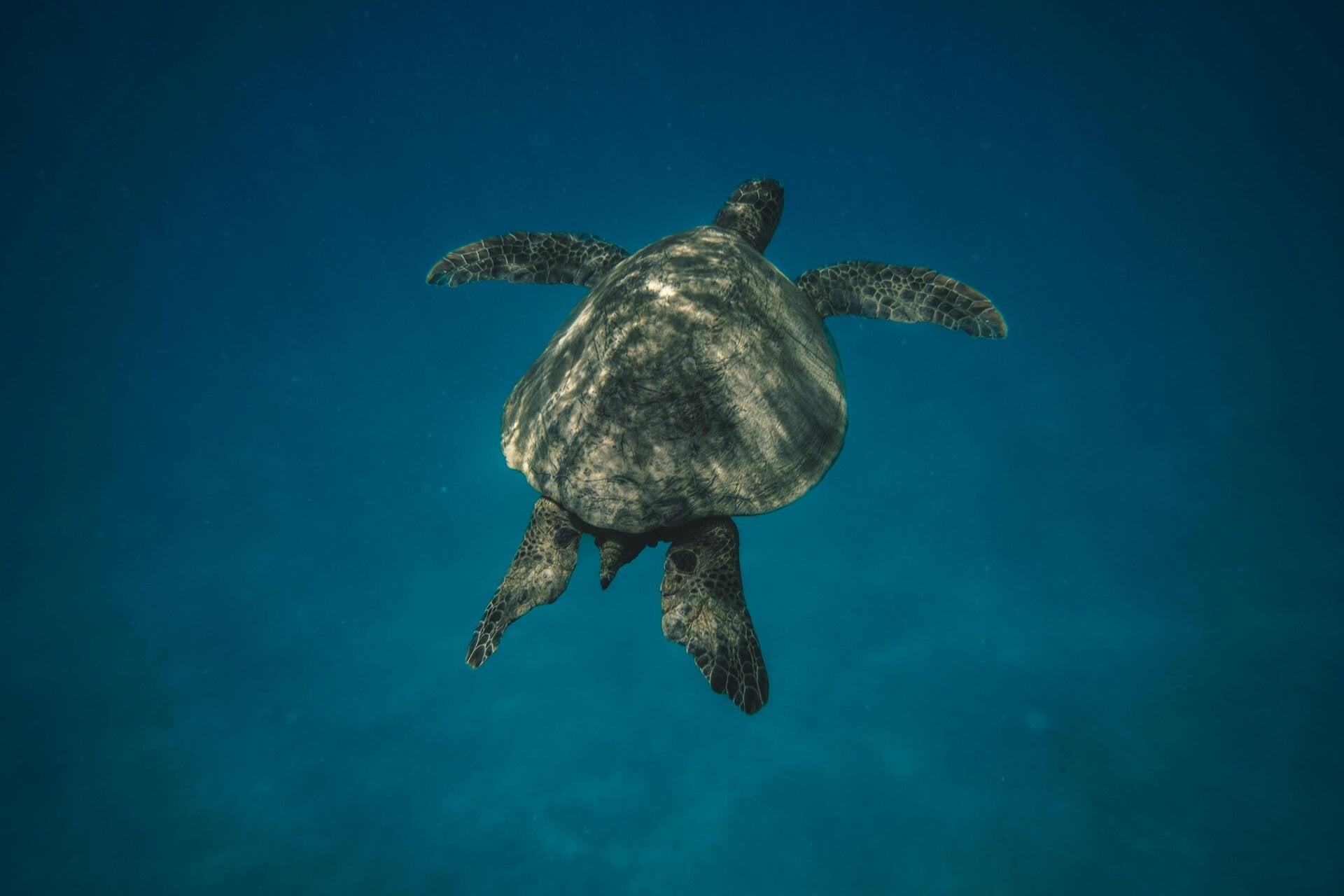
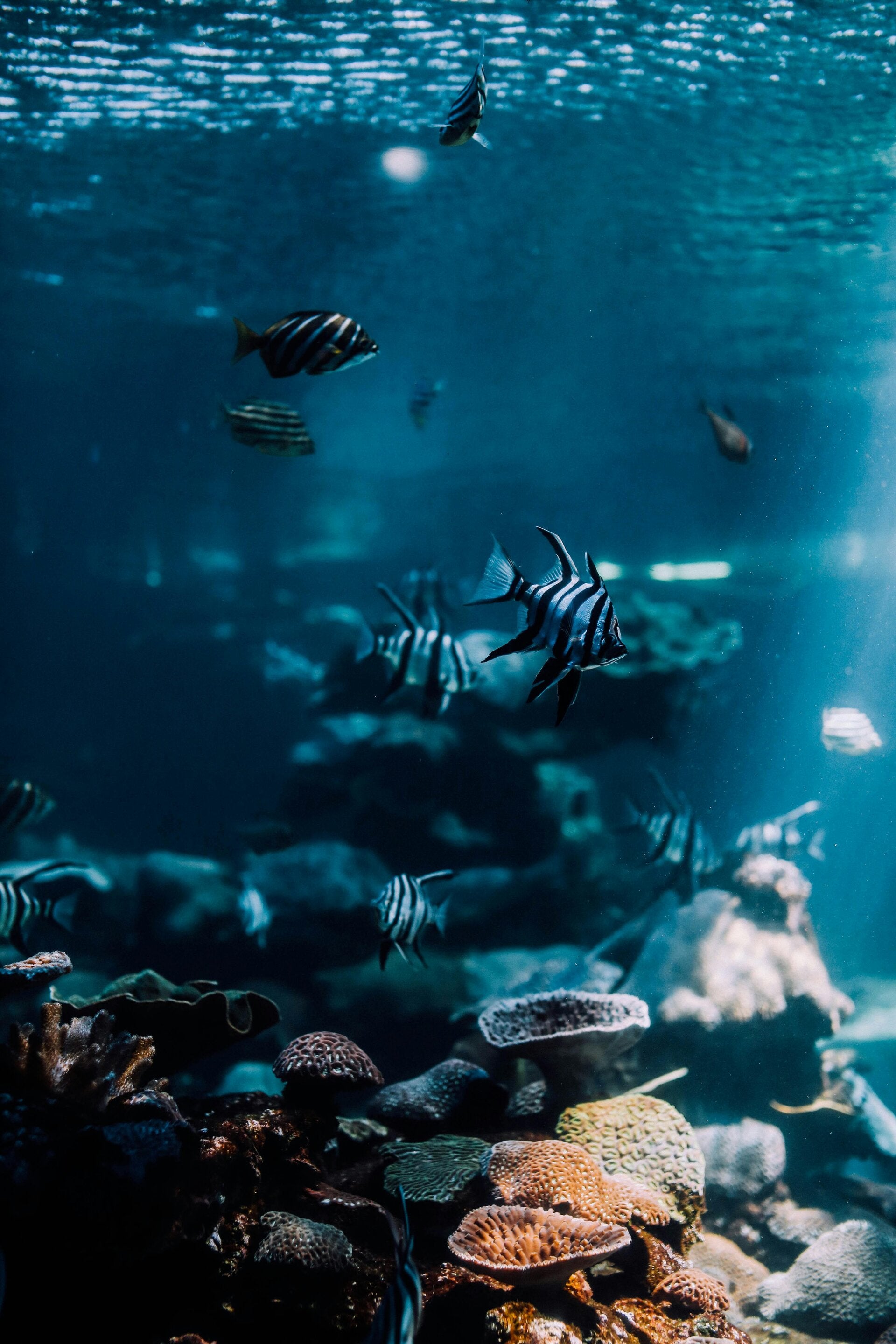
Pictures

Analysis
the data shows that over time, scientists and explorer have steadily discovered new marine species and developed new tools for exploring the ocean. It highlights how ocean exploration has grown as technology and knowledge have improved, allowing researchers to reach deeper and more remote areas. Overall, the data demonstrates that continued exploration leads to more discoveries and a better understanding of marine life and ecosystems.
Conclusion
In conclusion, Exploring the ocean is important because most of it is still undiscovered, and studying it helps scientists find new species and understand how marine ecosystems work. The research shows that learning more about sea life can help protect biodiversity and improve conservation efforts. Also studying sea life helps scientists understand how marine ecosystems work and why each organism matters to the health of the ocean. Lastly, that human pollution, such as more chemicals like carbon dioxide harms marine animals and damages their habitats. Overall, exploring and protecting the ocean is essential because it helps scientists identify problems, crate solutions, and keep marine ecosystems healthy for the future
Career connections
Studying the ocean connects to many careers, like marine biologists, oceanographers and environmental scientists, who study and protect marine ecosystems. Other jobs include aquatic veterinarians, marine ecologists and research divers, which all explore the ocean, care for animals and help solve environmental animal's problems. These careers show how science, exploration, and conservation work together to protect our oceans.
Biblography
Ballard, R.D (2008) Exploring life deep ocean: Discovering New life and habitats. National geographic.
ocean census. (2023) . Discovering new marine life. oceancensus.org
National oceanic and Atmospheric Administration (NOAA). 2023 Ocean exploration
Glover. The deep-sea floor ecosystem: current status and prospects of anthropogenic change. DOI.org/10.017/S0377892903000225
National geographic. (2022) Bioluminescent life in the deep ocean: How sea-creatures glow in the dark. Nationalgeographic.com/environment